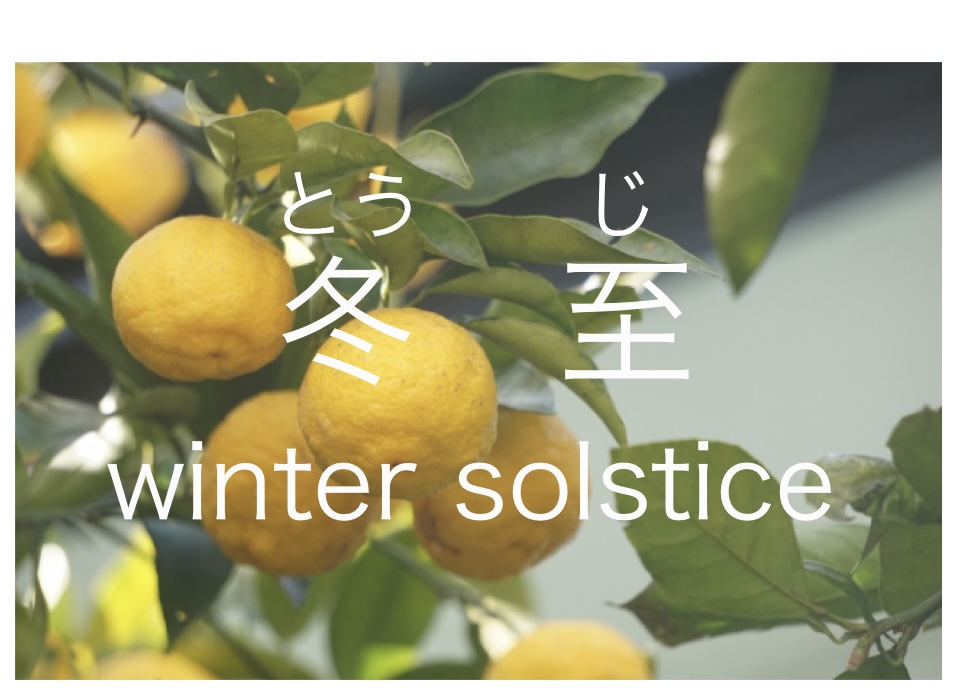

冬至について知りたいです。
日本は、春夏秋冬という四季のはっきりした国です。
季節の様子を表したものに、二十四節気というものがあります。
今日、2022(令和4)年12月22日は、その二十四節気の冬至にあたります。
冬至というのは、一年で一番太陽の出ている時間が短い日です。
毎年変わり、12月21日か22日のことが多いです。
太陽の出ている時間の長さは、日本の場所によって違います。
日本は、縦に長い国なので、各地で日の出・日の入りの時間は異なります。
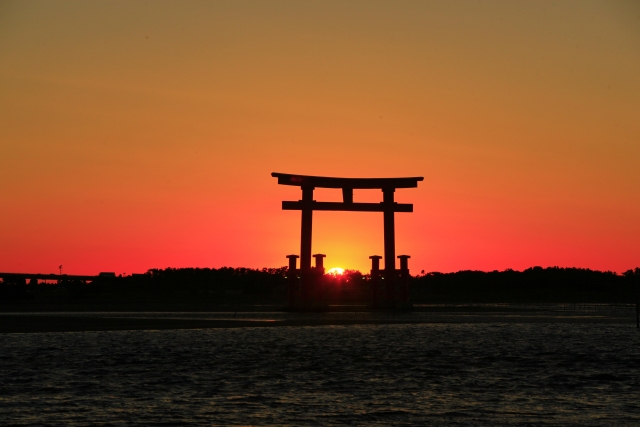
北海道の札幌市では、午前7時3分に日の出を迎え、午後4時3分に日の入りがあります。
東京では、午前6時47分に日の出を迎え、午後4時32分に日の入りがあります。
愛知県の名古屋市では、午前6時57分に日の出を迎え、午後4時44分に日の入りがあります。
大阪では、午前7時1分に日の出を迎え、午後4時51分に日の入りがあります。
沖縄県の那覇市では、午前7時13分に日の出を迎え、午後5時43分に日の入りがあります。
当然、雨が降っていると、日の出や日の入りを見ることはできません。
札幌市では9時間、那覇市では10時間30分間、太陽が出ています。
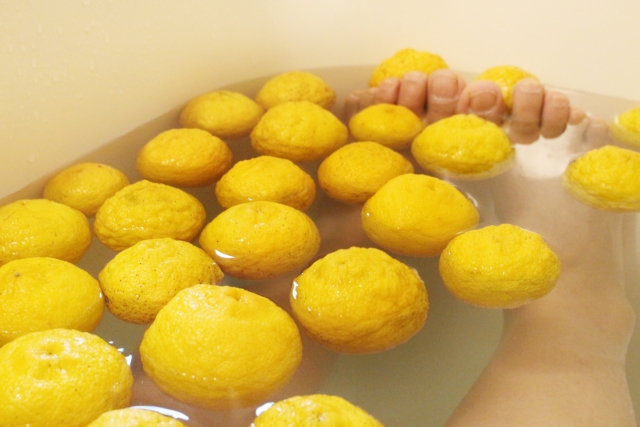
日本では、冬至の日に柚子湯に入る風習があります。
栄養があり風邪の予防にもなりますので、かぼちゃを食べる風習もあります。
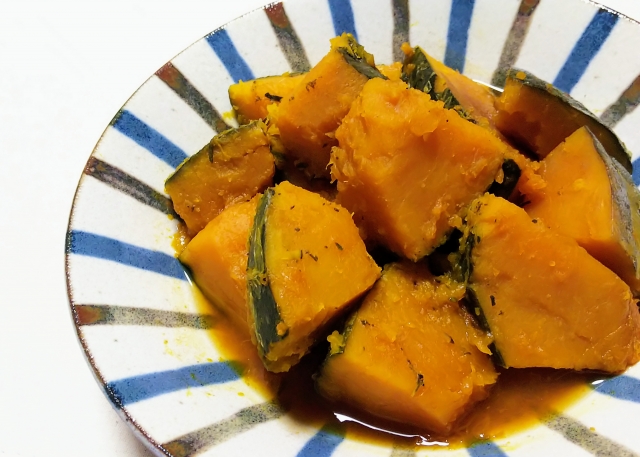
かぼちゃの たべもの
⭐️ ⭐️
関係する言葉についても読んでください。
二十四節気 24 solar termsにすすむ(このブログにあるページ)
夏至 summer solsticeにすすむ(このブログにあるページ)
winter solstice
Japan is a country with four distinct seasons: spring, summer, autumn, and winter.
The 24 solar terms are used to describe the seasons.
Today, December 22, 2022, falls on the winter solstice of the 24 solar terms.
The Winter Solstice is the day of the year when the sun rises the shortest.
The winter solstice changes every year, often on December 21 or 22.
The length of time the sun is out varies from place to place in Japan.
Since Japan is a long and vertical country, the time of sunrise and sunset differs in different places.
In Sapporo, Hokkaido, the sun rises at 7:03 AM and sets at 4:03 PM.
In Tokyo, the sun rises at 6:47 am and sets at 4:32 pm.
In Nagoya, Aichi Prefecture, the sun rises at 6:57 a.m. and sets at 4:44 p.m.
In Osaka, the sun rises at 7:01 am and sets at 4:51 pm.
In Naha City, Okinawa Prefecture, the sun rises at 7:13 am and sets at 5:43 pm.
Naturally, if it is raining, you will not be able to see the sunrise or sunset.
Even if clouds are spreading, you can tell that the sun is out behind the clouds by the brightness of the sky.
In Sapporo, the sun rises for 9 hours, and in Naha, the sun rises for 10 hours and 30 minutes.
In Japan, there is a custom to take a yuzu (citron) bath on the winter solstice.
There is also a custom to eat pumpkin because it is nutritious and helps prevent colds.
コメント