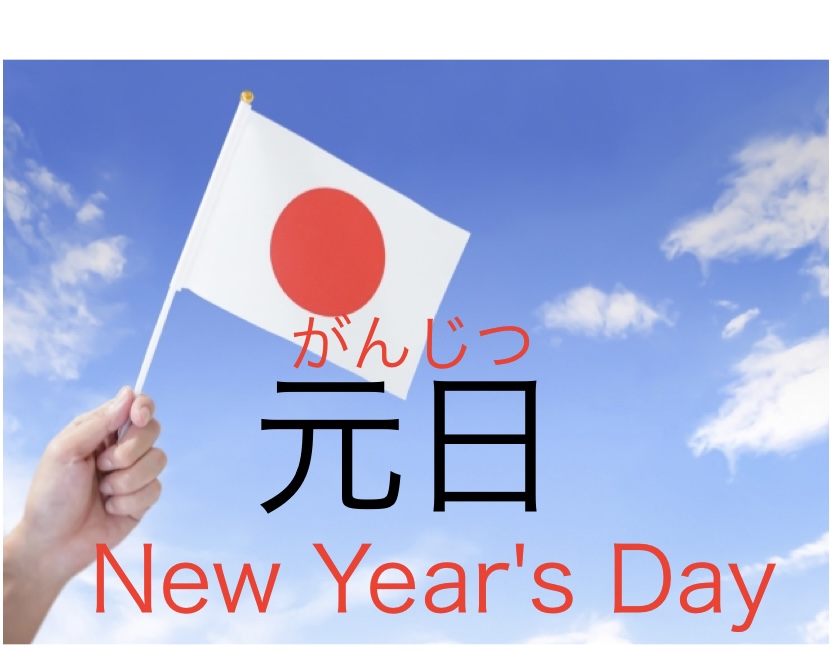

今日は、元日です。あけましておめでとうございます。
あけましておめでとうございます。
1月1日は、国民の祝日の一つである「元日」です。
国民の祝日に関する法律によりますと、「元日」は次のように説明されています。
「年のはじめを祝う。」
日本では、前の年が無事に終わり、新しい年が来たことを祝います。
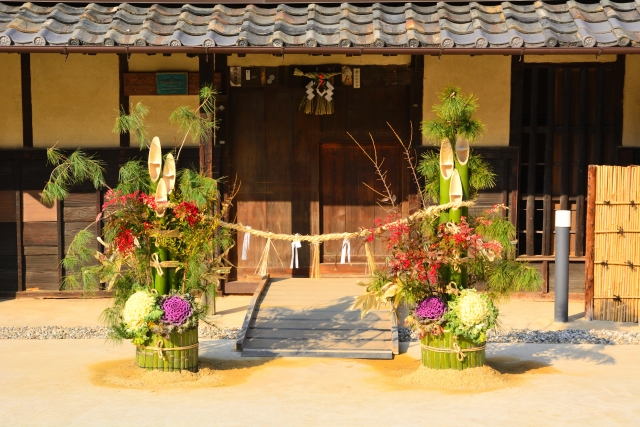
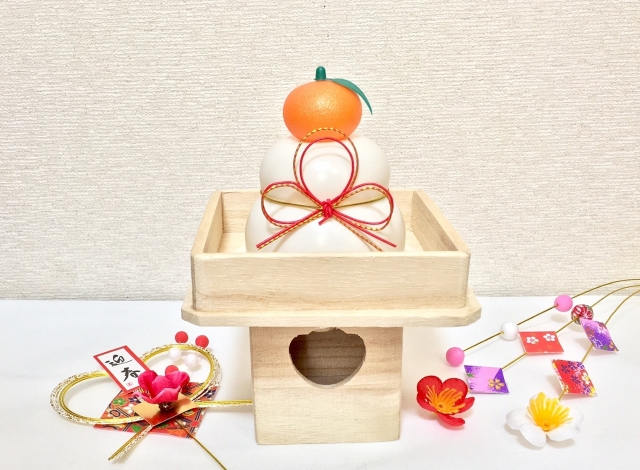
多くの家では、門松やしめ縄や鏡餅を用意し、おせち料理を食べて新年を祝います。
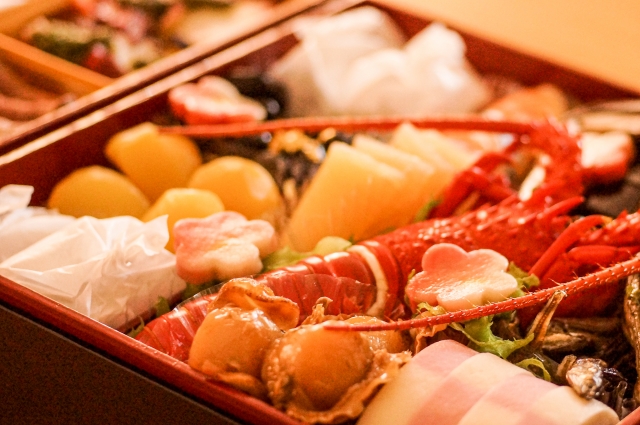
おとそと呼ばれるお酒を飲んだり、子どもにはお年玉を渡したりします。
家族や友だちと一緒に、あるいは一人で、神社に出かけて、お賽銭を入れ、家族の健康や今年の願いごとなどを神様にお願いする人や、健康に過ごせたことを神様に感謝する人もいます。
これらは、昔から日本に続く新年の祝い方です。
1月1日のことを元日といいますが、よく似た言葉に元旦があります。旦には、「朝・夜明け」という意味がありますので、元旦は、「元日の朝・初日の出」という意味があります。
1月1日に出る年の初めの日の出は、初日の出として、とてもめでたいものだとされ、多くの人が初日の出を見に出かけます。

国民の祝日は、1月1日だけですが、3日までは、「正月三が日」として、仕事を休みにしているところも多いです。
⭐️ ⭐️
日本の正月に関係する言葉も読んでください。
おせち料理 Osechi dishesにすすむ(このブログにあるページ)
餅つき Rice cake poundingにすすむ(このブログにあるページ)
しめ縄 Sacred ropeにすすむ(このブログにあるページ)
大晦日 New Year’s Eveにすすむ(このブログにあるページ)
New Year’s Day
Happy New Year! I look forward to be happy you again this year.
January 1 is “New Year’s Day,” one of the national holidays.
According to the Law Concerning National Holidays, “New Year’s Day” is explained as follows.
It celebrates the beginning of the year.”
In Japan, we celebrate the successful completion of the previous year and the arrival of the new year. Many households prepare kadomatsu, shimenawa (sacred rope) and kagamimochi (mirror-shaped rice cakes), and celebrate the New Year by eating osechi dishes.
They drink sake called otoso and give New Year’s gift (otoshidama) to children.
Some people go to shrines with family and friends, or alone, to make a monetary offering and ask the gods for their family’s health and wishes for the year, or to thank the gods for their good health.
These are ways of celebrating the New Year that have continued in Japan since ancient times.
January 1 is called New Year’s Day, and a very similar word is gantan/元旦.Since “旦” means “morning/dawn,” gantan/元旦 means “the morning of the first day of the year/the first sunrise of the year.
The first sunrise of the year on January 1 is considered to be very auspicious, and many people go out to watch the first sunrise of the year.
The only national holiday is January 1, but many places close their workplaces until the third day of the month as “New Year’s Three-Going Day.
コメント