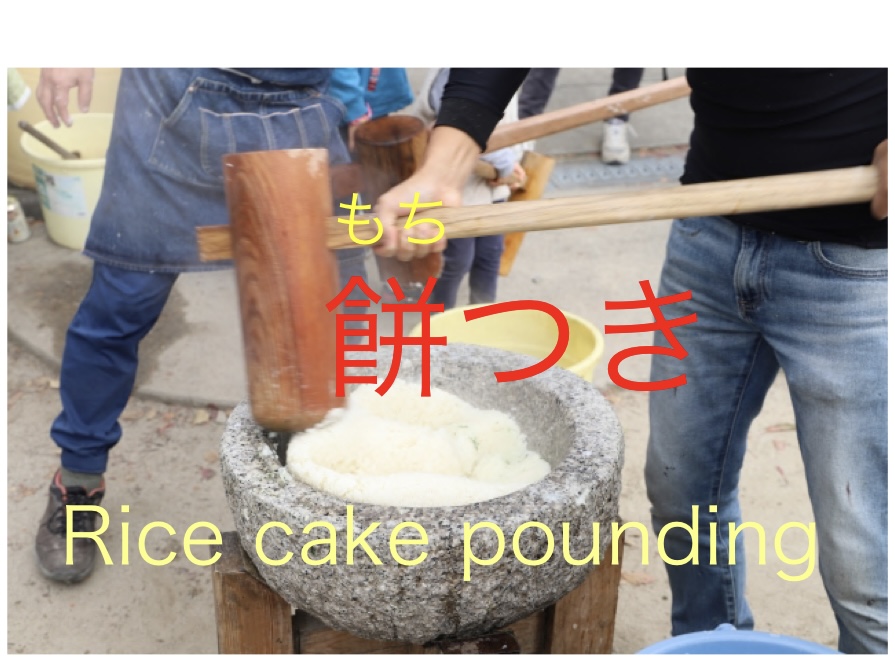

正月の前には、餅つきをしますよね。
最近は、家庭ですることは少なくなりましたが、日本では、昔から祝いごとがあると、餅つきをすることが、よくありました。
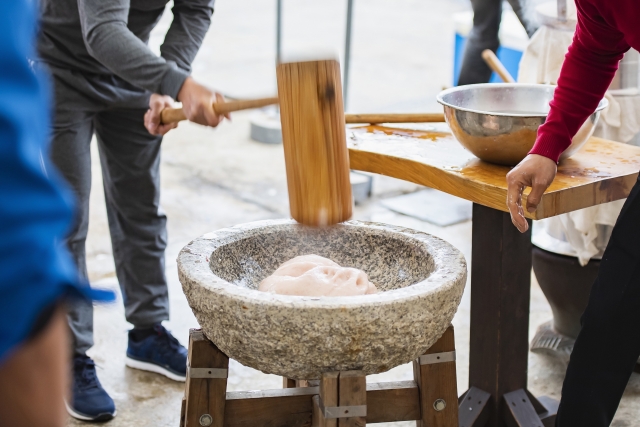
特に、正月の前は、餅をつくことがよくありました。
正月の前の餅つきには、特別な意味があります。
日本では、昔から、新年には、「年神様」という神様が元日にやってきて、新年の魂を与えてくれると考えられていました。魂とは、生きる気力のような意味です。
昔の日本では、毎年正月に魂をもらうので、元日に1つずつ年齢を増やしていく「数え年」という年齢の数え方が普通でした。
正月の前には、大掃除をして、門松やしめ飾りを用意し、おせち料理を作ります。そして、餅つきをして大きな鏡餅を用意します。これらは全て、年神様を迎える準備です。
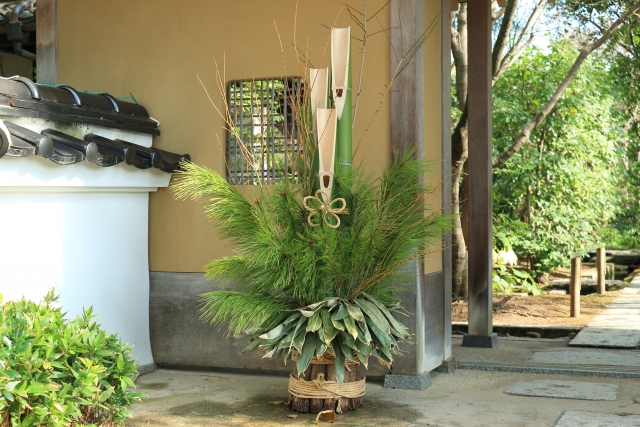
家にやってきた年神様の魂は、鏡餅や神棚に備えた丸餅に宿るとされていました。
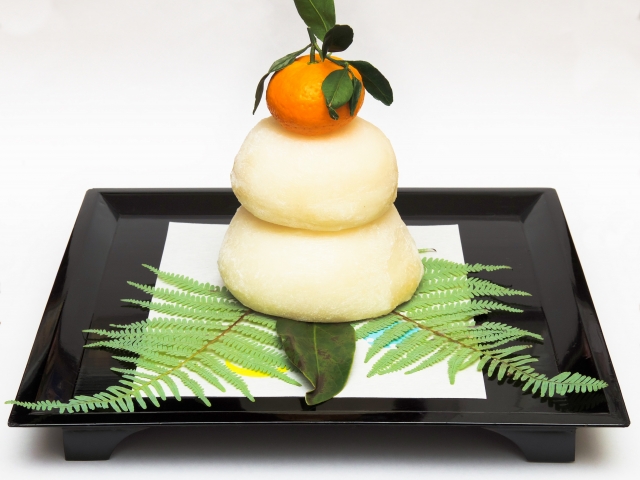
昔は、神棚に備えた小さな丸餅を、家族がもらうのが、「お年玉」でした。
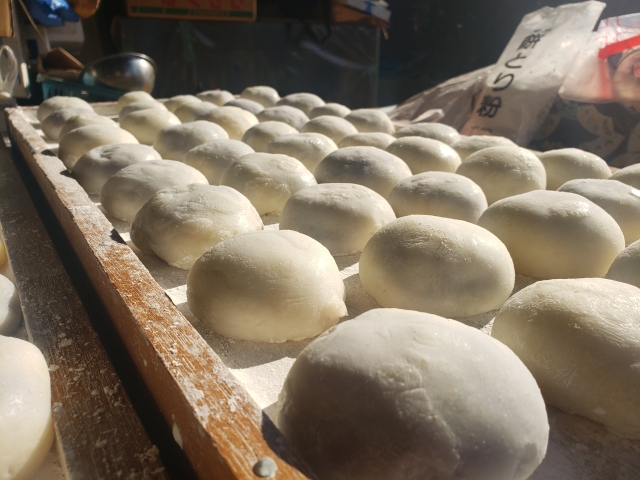
今は、お年玉は、子どもに渡すお金に変わりましたが、年玉には、年魂の意味があり、餅をもらうことが「お年玉」でした。
もらった餅は、お雑煮にして食べることで、新年の力がつくとされています。
⭐️ ⭐️
日本の正月に関係する言葉も読んでください。
おせち料理 Osechi dishesにすすむ(このブログにあるページ)
しめ縄 Sacred ropeにすすむ(このブログにあるページ)
大晦日 New Year’s Eveにすすむ(このブログにあるページ)
Rice cake pounding(Mochitsuki)
Although it is rare to make rice cakes at home these days, in Japan, people used to make rice cakes for celebratory occasions.
Especially before New Year’s, rice cakes were often pounded.
Mochitsuki before New Year’s has a special meaning.
In Japan, it has long been believed that a god called “New Year’s God” comes on New Year’s Day to give us soul of the New Year. Soul means something like the energy to live.
In olden days in Japan, since the soul was received every New Year’s Day, the usual way of counting age was called “kazoedoshi” , in which one’s age was increased by one on the first day of the New Year.
Before New Year’s Day, people would clean the house, prepare kadomatsu and shimekazari decorations, and cook osechi dishes. Then, rice cakes are pounded to make a large mirror-shaped rice cake. These are all preparations for welcoming the New Year God.
It was believed that the spirit of the New Year God who came to the house resides in the Kagamimochi and the round rice cakes placed on the altar.
In the old days, families used to receive small round rice cakes on the altar as “otoshidama/ New Year’s presents”.
Nowadays, “otoshidama” has been changed to money given to children, but “toshidama” has the meaning of “spirit of the year,” and receiving rice cakes was “toshidama.
It is believed that eating the rice cake with ozoni (a stew of various ingredients) will give you strength for the New Year.
コメント