
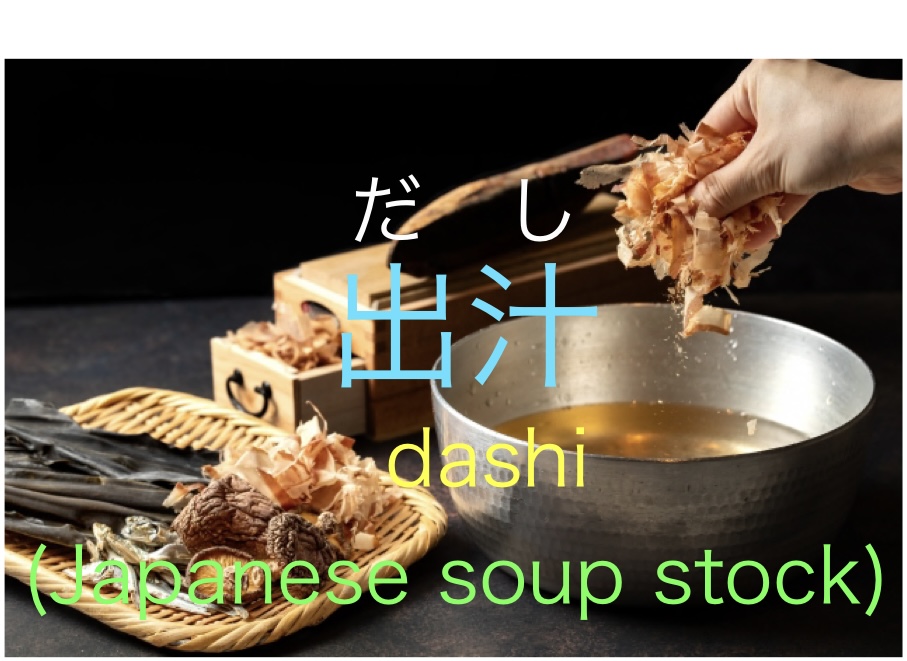

出汁って何ですか?
出汁は、昆布やかつお節などの食べものを煮て出した汁のことで、旨味のもとです。
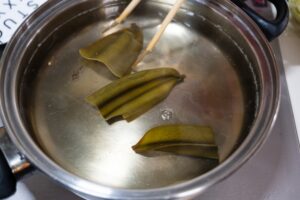
出汁は、煮出汁を省略した言葉で、「出し汁」や「にだし」ということもあります。
日本の料理のことを和食ということがあり、和食のおいしさの元になっているのが出汁です。
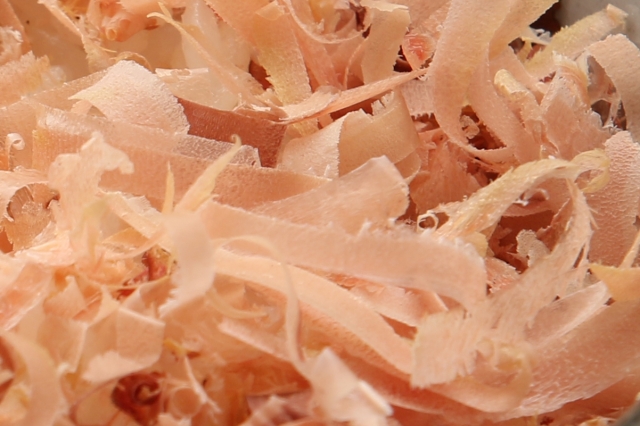
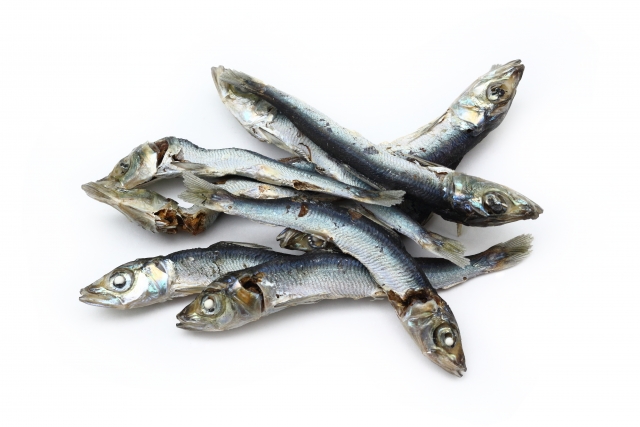
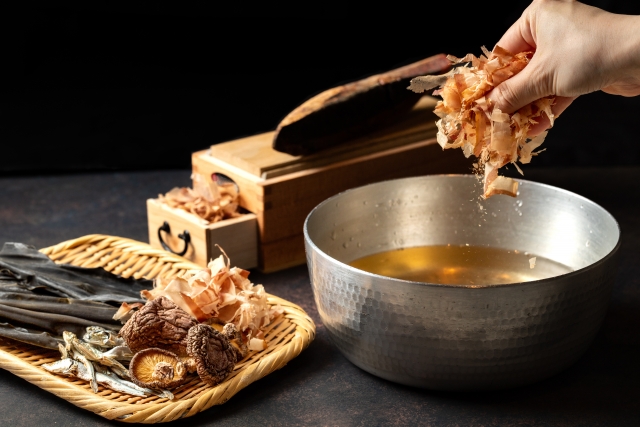
出汁は、昆布やかつお節、干し椎茸、煮干しなどを水に浸すだけ、あるいは、短い時間煮るだけで、おいしい旨味を取り出すことができます。
旨味は、5つある味覚の1つです。
旨味を、世界ではじめて見つけたのは、日本人です。
1908年、池田菊苗さんという大学の教授が、昆布の出汁に、それまで知られていた甘味、酸味、塩味、苦味という4つの基本の味のどれを組み合わせても説明できない味があることを見つけました。
池田教授は、この味のもととなる成分がグルタミン酸であることを見つけ、この味を「旨味」と名付けました。
その後、イノシン酸やグアニル酸も、旨味のもとになる成分であることがわかりました。
1980年代以降、研究が進み、旨味は第5の味覚として世界で認められるようになりました。
出汁の材料はどれも、旨味のもととなる成分を含んでいます。
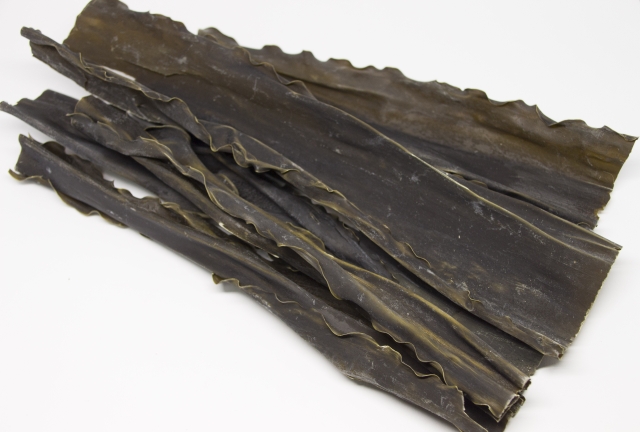
昆布は、グルタミン酸が多く含まれています。
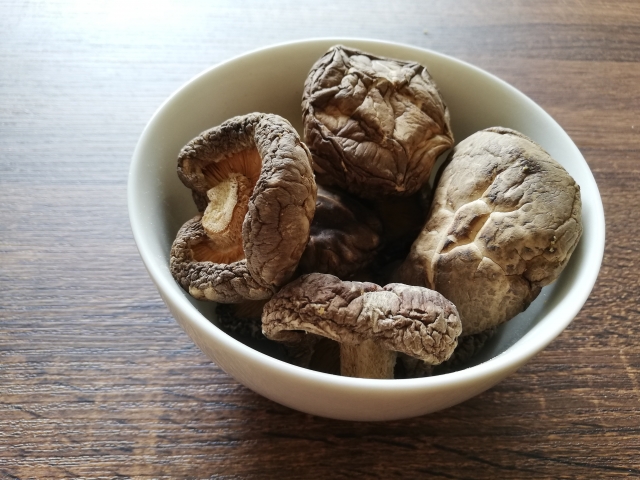
かつお節と煮干しは、イノシン酸が、干し椎茸は、グアニル酸が多く含まれています。
旨味のよさは、合わせることで、さらによくなります。
2つの旨味成分を合わせると、旨味がさらに増します。
旨味には、他の味を引き立てる役割もあります。
味を感じる味覚については、次のページを見てください。
Dashi (Japanese soup stock)
Dashi is the broth made by boiling kelp, dried bonito flakes, or other food items, and is the source of umami.
Dashi is an abbreviation of “nidasijiru/boiled soup stock,” and is sometimes called “dasijiru/dashi broth” or “nidashi/boiled dashi.
Japanese cuisine is sometimes referred to as wagashi, and dashi is the source of the delicious taste of Japanese food.
Dashi is made by simply soaking kombu (kelp), bonito flakes, dried shiitake mushrooms, dried sardines, and other ingredients in water or by heating them for a short period of time to extract their delicious umami (flavor).
Umami is one of the five tastes.
It was the Japanese who discovered umami for the first time in the world.
In 1908, a university professor named Kikunae Ikeda discovered that kelp dashi had a taste that could not be explained by any combination of the four basic tastes known until then: sweet, salty, bitter, and sour.
Prof. Ikeda found that the component responsible for this taste is glutamic acid, and named this taste “umami.
Subsequently, inosinic acid and guanylic acid were also found to be components of umami.
Since the 1980s, research has progressed and umami has come to be recognized worldwide as the fifth taste.
All dashi broth ingredients contain components that are the source of umami.
Kelp contains high levels of glutamic acid.
Bonito flakes and dried sardines are rich in inosinic acid, and dried shiitake mushrooms are rich in guanylic acid.
The combination of these two ingredients enhances the umami quality of the dish.
When the two umami ingredients are combined, the umami taste is further enhanced.
Umami also has the role of enhancing other flavors.
コメント