
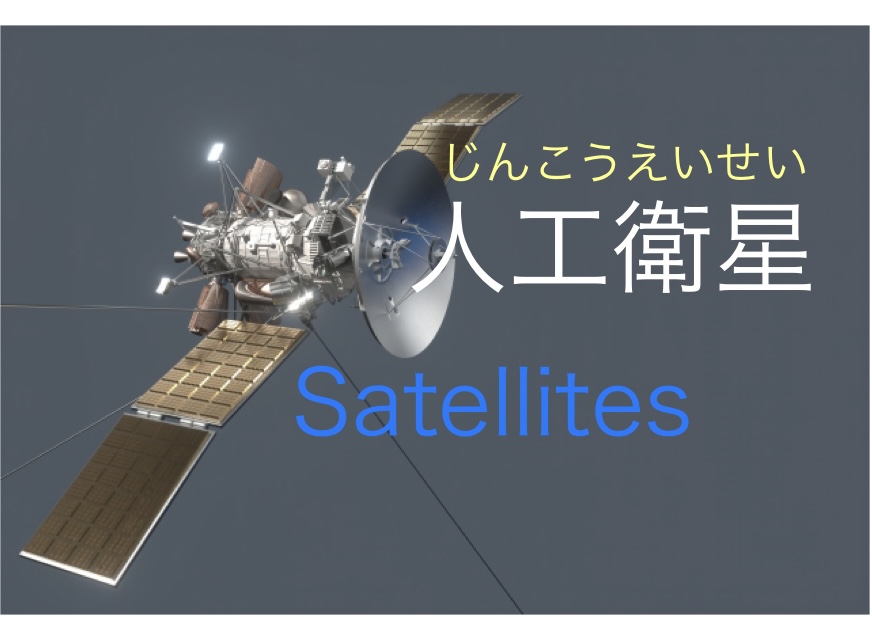

人工衛星は、いろいろなことに役立っています。
人工衛星は、ロケットなどで地球の空気がある外側に打ち上げられたものです。現在、宇宙には2400から2500個の人工衛星があり、様々な役割をしています。
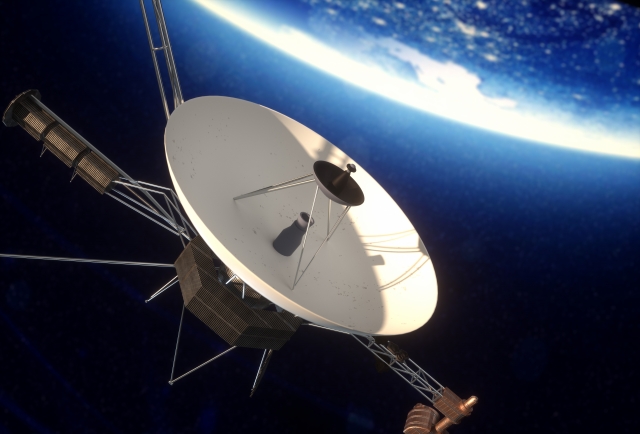
1つめは、通信や放送のための人工衛星です。この人工衛星は、地上に情報を伝える働きがあります。
しくみとしては、地上の放送局から人工衛星に情報を飛ばし、人工衛星が情報を地上に送り返すことで、情報を送ります。遠い上空から情報を送るため、建物や地形に関係なく届き、災害が起こっても情報を伝えることができます。
この通信や放送用の人工衛星は、地上から約3万6千キロメートル離れた赤道の上空にあります。地球の周りを地球の自転と同じ速さで回っており、同じ位置に止まって見えることから、この軌道は「静止軌道」と呼ばれています。
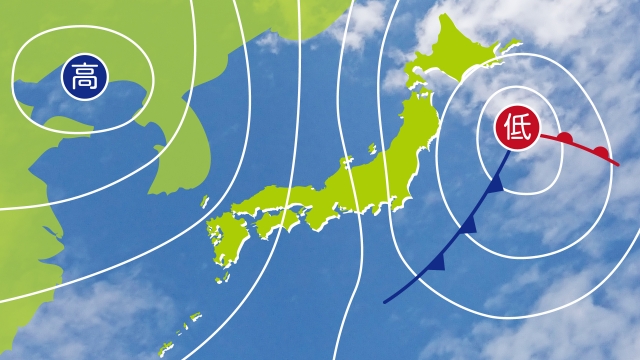
2つめは、地球の様子を観測するための人工衛星です。
天気予報が以前よりも正確になったのは、この人工衛星のおかげです。この人工衛星を使って、地震や台風といった自然災害を観察することもできます。この観測技術を利用して、建物などが古くなった様子や農作物が育っている様子などを見ることもできるようになっています。
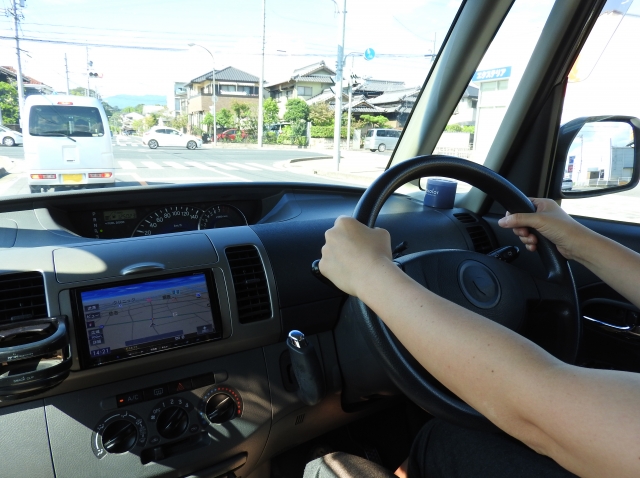
3つめは、位置を測るための人工衛星です。
GPS(全地球測位システム)という言葉を聞いたこともあるでしょう。自分が今どこにいるかがわかります。ドライブしている時に、カーナビが道を教えてくれるのもこのしくみのおかげです。
⭐️ ⭐️
関係する次の言葉も読んでください。
星 Stars(このブログにあるページ)
惑星 Planets (このブログにあるページ)
地球 The Earthにすすむ(このブログにあるページ)
Satellites
Artificial satellites are satellites launched by rockets or other means to the outer space where the Earth’s atmosphere is located. There are currently 2,400 to 2,500 satellites in space, performing a variety of roles.
The first is satellites for communication and broadcasting. These satellites transmit information to the ground.
The way it works is that information is sent from a broadcasting station on the ground to a satellite, which then sends the information back to the ground. Since information is sent from the distant sky, it can reach people regardless of buildings and terrain, and can be transmitted even in the event of a disaster.
These communication and broadcasting satellites are located above the equator, about 36,000 kilometers from the ground. This orbit is called a “geostationary orbit” because it rotates around the earth at the same speed as the earth’s rotation and appears to stop at the same position.
The second is a satellite that is used to observe the Earth. It is thanks to these satellites that weather forecasts are more accurate than before. These satellites can also be used to observe natural disasters such as earthquakes and typhoons. This observation technology can also be used to see how buildings and other structures are deteriorating and how crops are growing.
Third, satellites are used to measure our location; you have probably heard of GPS (Global Positioning System). You know where you are. It is thanks to this system that car navigation systems give us directions when we are driving.


コメント