
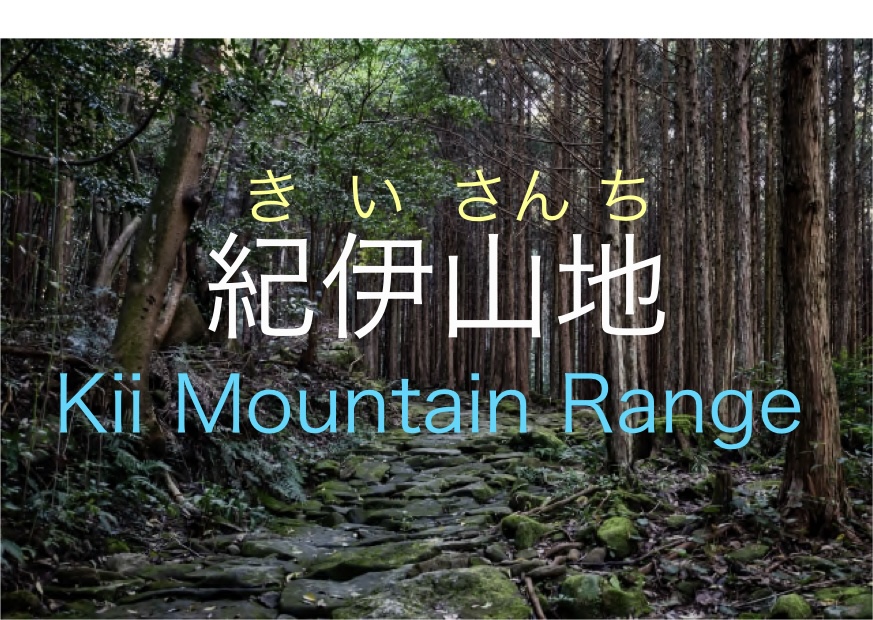

紀伊山地は、世界遺産の一つです。
「紀伊山地の霊場と参詣道」は、和歌山県、奈良県、三重県にまたがる3つの霊場と3つの参詣道を対象として、2004年(平成16年)に登録された世界遺産です。
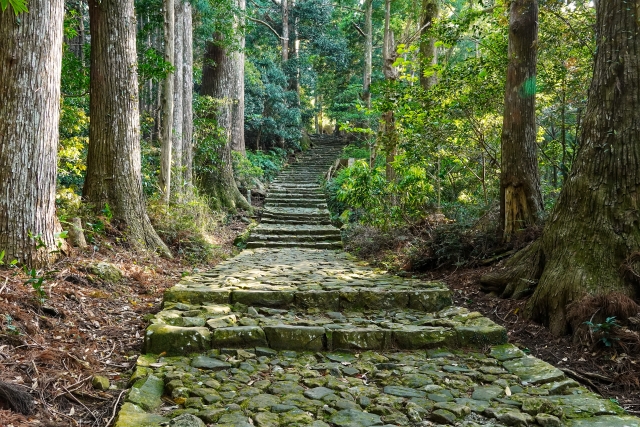
紀伊山地は、紀伊半島の大部分にあり、標高1,000から2,000メートル級の山々が連なり、年間3,000ミリメートルを超えるたくさんの雨が降る森林をかかえる山地です。
古代から奈良や京都などの都に住む人々は、紀の川から南の紀伊山地全体を、神々がこもり、仏が宿る聖域と考えていました。
理由の1つめは、紀伊山地が都から見て太陽の光がさす南の方角にあったからです。
理由の2つめは、高い山の地形で、人々が簡単に立ち入ることができなかったからです。
理由の3つめは、山や岩、森や樹木、川や滝などの自然の風景が、信仰心を呼び起こす特徴があったからです。
これらのことから、紀伊山地は、神話の時代から神々が鎮まる特別な地域と考えられ神道の対象になりました。また、仏教も深い森林におおわれた山々を阿弥陀仏や観音菩薩の「浄土」に見立て、仏がもつような能力を習得するための修行の場としました。さらに、神道と仏教の両者が結びついた修験道の場にもなりました。
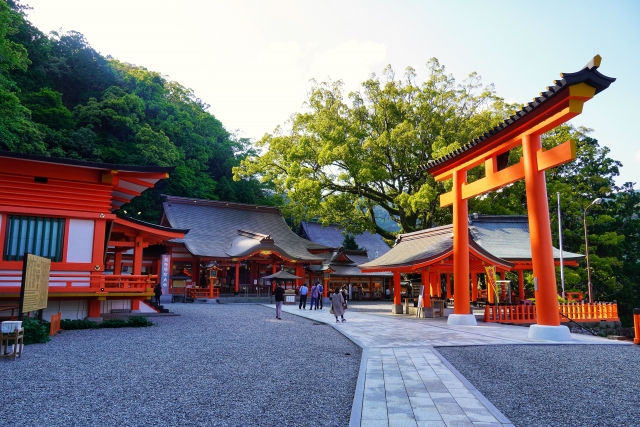
紀伊山地は、起源や内容を異にする「熊野三山」、「高野山」、「吉野・大峯」の3つの霊場となりました。
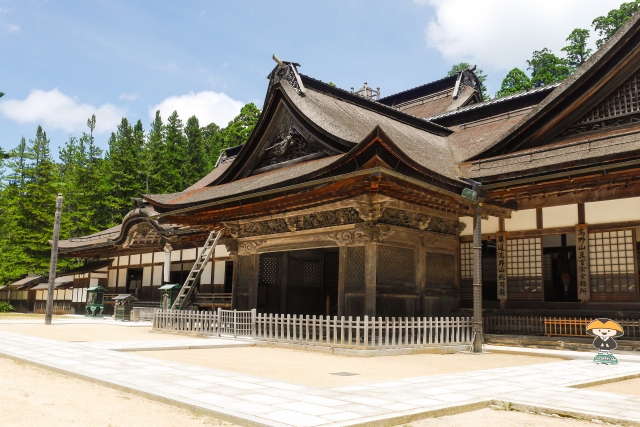
これらの霊場は、熊野参詣道、高野参詣道、大峯奥駈道などの参詣道とともに広範囲にわたって良好に残っています。
姫路城Hineji Castleにすすむ(このブログにあるページ)
屋久島 Yakusimaにすすむ(このブログにあるページ)
白神山地 Shirakami Mountainsにすすむ(このブログにあるページ)
日光の社寺 Shrines and Temples of Nikkoにすすむ(このブログにあるページ)
琉球王国のグスク Ryukyu Kingdomにすすむ(このブログにあるページ)
Kii Mountain Range
“Sacred Sites and Pilgrimage Routes in the Kii Mountain Range” is a World Heritage Site registered in 2004, covering three sacred sites and three pilgrimage routes that span Wakayama, Nara, and Mie prefectures.
The Kii Mountain Range, which refers to most of the Kii Peninsula, is a mountainous area with forests that have an abundance of rainfall exceeding 3,000 millimeters per year, with mountains ranging in altitude from 1,000 to 2,000 meters.
Since ancient times, people living in capitals such as Nara and Kyoto have considered the entire Kii Mountain Range south of the Kinokawa River to be a sanctuary where the gods reside and Buddha resides.
The first reason is that the Kii Mountain Range is located in the south direction where the sun shines when viewed from the capital.
The second reason was that people could not easily enter the high mountain terrain.
The third reason is that natural scenery such as mountains, rocks, forests, trees, rivers, and waterfalls has a characteristic that evokes faith.
For these reasons, the Kii Mountain Range has been considered a special area where the gods have been enshrined since the time of mythology, and became the object of Shintoism. Buddhism also likened mountains covered with deep forests to the “Pure Land” of Amida Buddha and Kannon Bodhisattva, and used them as training grounds to acquire Buddha-like abilities. In addition, it became a place for Shugendo, which combines both Shinto and Buddhism.
The Kii Mountain Range has become three sacred sites with different origins and contents: “Kumano Sanzan”, “Koyasan”, and “Yoshino Omine”.
These sacred sites are widely preserved along with pilgrimage routes such as the Kumano Pilgrimage Route, Koya Pilgrimage Route, and Omine Okugake Pilgrimage Route.

コメント